
May 16, 2025
Safeguarding Patient Privacy: Why Healthcare Clinics and Medical Facilities Need Secure Shredding
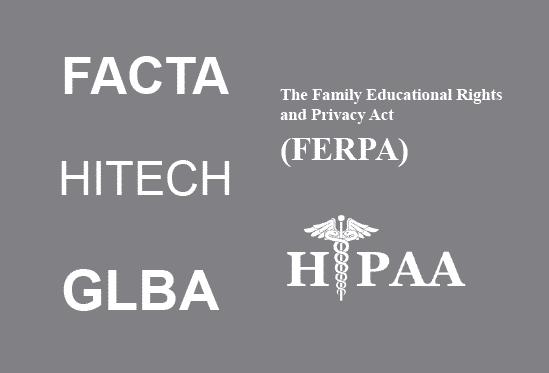 When it comes to protecting sensitive patient information, the stakes are incredibly high. For healthcare clinics and medical facilities, safeguarding this data isn’t just about doing the right thing—it’s a legal and ethical necessity. The consequences of failing to secure medical records can be catastrophic, as a recent data breach in North Carolina illustrates.
A Real-Life Lesson in Data Security Gone Wrong
Just last year, AuthoraCare Collective, a nonprofit hospice in Greensboro, North Carolina, experienced a significant cyberattack. Between August 18 and August 22, 2024, an unauthorized actor accessed their network, compromising the personal and medical records of more than 58,000 individuals. This breach exposed names, medical diagnoses, prescription details, Social Security numbers, and other demographic information that could be used in identity theft or medical fraud.
The cost of such a breach isn’t just financial. AuthoraCare had to notify victims, offer credit monitoring, and face damage to its reputation. Beyond that, the trust patients place in their healthcare providers took a hit, a currency that’s hard to rebuild.
This incident is a harsh reminder of how vulnerable patient records can be without stringent data protection and secure disposal measures.
Why Secure Shredding Is Non-Negotiable
For healthcare organizations, compliance with regulations like HIPAA (Health Insurance Portability and Accountability Act) is critical. These laws mandate that patient information is safeguarded from unauthorized access, including during its disposal. However, securing data isn’t only about legal compliance; it’s also about maintaining trust and protecting patients from harm.
Here’s where secure shredding plays a vital role. By properly destroying physical records and documents containing sensitive information, healthcare facilities can minimize the risk of unauthorized access. Tossing files in the trash or recycling bin is simply unsafe—dumpster divers and data thieves know where to look for valuable information.
Practical Tips for Implementing Secure Shredding Practices
1. Establish a Clear Policy
Develop a formal document destruction policy that outlines which records need to be shredded and when. For example, patient files older than a certain number of years (as allowed by law) should be shredded on a scheduled basis.
Pro Tip: Regularly update this policy to align with evolving HIPAA regulations and other compliance standards.
2. Use Locked Shredding Bins
Place secure, locked shredding bins in convenient locations within your facility. This ensures that sensitive documents are collected in a safe manner until they can be shredded.
Pro Tip: Train staff to deposit any paper with patient information—no matter how minor—into these bins.
3. Partner with Professional Shredding Services
Professional shredding companies specialize in securely disposing of sensitive records. Services like Proshred often perform shredding on-site with industrial-grade equipment, providing you with a Certificate of Destruction as proof the information has been securely destroyed.
Pro Tip: Schedule regular pickups from your shredding service provider to ensure documents don’t pile up. This also ensures compliance by having a documented shredding process in place.
4. Digitize Whenever Possible
Consider transitioning to a paperless system for storing patient information securely in electronic medical record (EMR) systems. While this doesn’t eliminate the need for secure shredding, it minimizes the amount of physical paperwork to manage.
Pro Tip: Remember that even printouts from digital records should go through secure shredding once they are no longer necessary.
The Benefits of Secure Shredding
When healthcare clinics and medical facilities implement secure shredding, they reap a number of benefits:
- Compliance with HIPAA: Demonstrates compliance with data protection requirements, reducing the risk of fines or legal action.
- Patient Trust: Shows patients that their information is handled with the utmost care, fostering confidence.
- Risk Reduction: Reduces the chances of data breaches like the one experienced by AuthoraCare.
- Environmental Responsibility: Many professional shredding services recycle shredded material, allowing your facility to contribute to sustainability efforts.
Get Your Medical Clinic Secured
The data breach at AuthoraCare serves as a cautionary tale for all healthcare providers. With the sheer volume of sensitive information handled daily in medical facilities, proper disposal methods like secure shredding are a must.
Investing in reliable shredding practices isn’t just about compliance—it’s about protecting your patients, maintaining your reputation, and doing your part to fight identity theft and data breaches. By partnering with a professional shredding service and establishing clear policies, your facility can ensure that patient data remains private and secure.
Don’t risk becoming the next data breach headline. Take the steps today to protect your patients and your practice through secure shredding.
FAQ 1:
Q: How often should healthcare facilities schedule secure shredding services?
A: The frequency depends on the volume of sensitive documents being generated. For most facilities, scheduling regular shredding (e.g., weekly or monthly) ensures compliance and prevents sensitive information from piling up. Partnering with a professional shredding service can help create a routine that suits your clinic’s needs.
FAQ 2:
Q: Can digital records eliminate the need for secure shredding?
A: While transitioning to digital records reduces paper use, secure shredding remains necessary. Printouts of patient information, drafts, or older documents being converted to digital formats still need proper disposal. Shredding ensures these items don’t fall into the wrong hands during the transition.